
Healthcare Security Guards protect more than buildings they protect lives. Hospitals operate in high-pressure environments where emotions run high and risks can escalate quickly. Without trained security professionals, even a minor issue can turn into a serious incident.
Healthcare facilities need specialized protection because they deal with vulnerable patients, sensitive data, and critical infrastructure. This is where Healthcare Security Guards step in with expertise that goes beyond traditional security roles.
What Makes Healthcare Security Guards Unique
Healthcare Security Guards operate in a completely different environment compared to retail or corporate security. Hospitals remain open 24/7, and emergencies occur without warning.
They handle:
- Patient conflicts and emotional distress
- Visitor management and restricted access
- Protection of medical equipment and drugs
- Emergency situations like fire or evacuation
According to the World Health Organization, workplace violence in healthcare affects a significant portion of staff globally. This highlights the urgent need for trained security personnel.
7 Powerful Reasons Hospitals Need Healthcare Security Guards
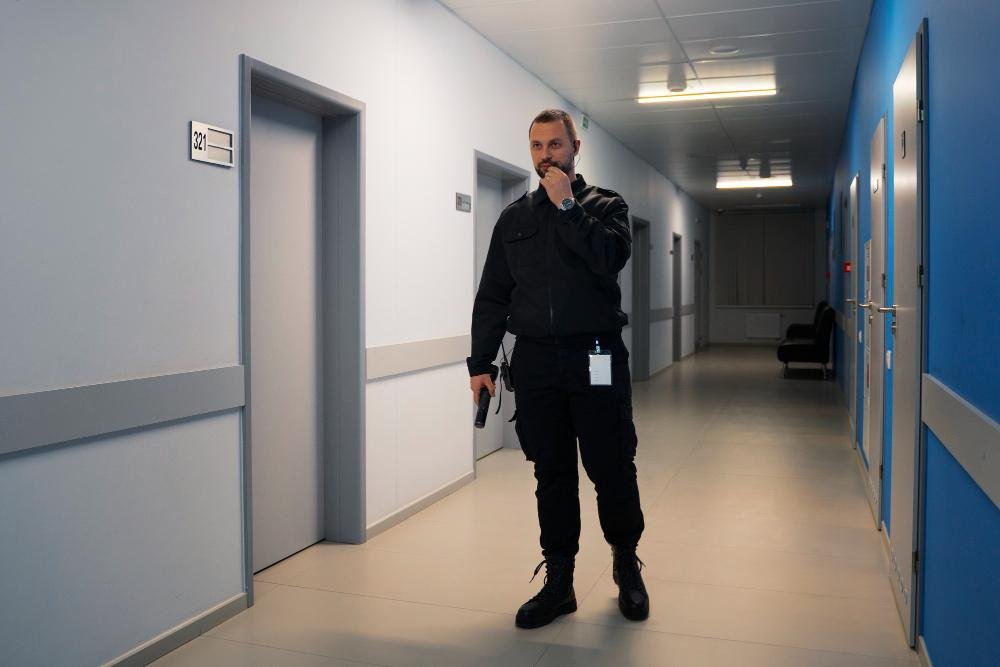
1. Preventing Workplace Violence
Healthcare Security Guards help prevent and manage violent situations. They use de-escalation techniques to control aggressive behavior before it worsens.
The Occupational Safety and Health Administration emphasizes that healthcare workers face higher risks of workplace violence compared to many other industries.
2. Protecting Patients and Medical Staff
Hospitals care for people who often cannot protect themselves. Healthcare Security Guards ensure safety across wards, ICUs, and emergency rooms.
They maintain order and allow doctors and nurses to focus on patient care instead of security concerns.
3. Controlling Access to Sensitive Areas
Hospitals contain restricted zones like:
- Operation theatres
- Pharmacies
- Data storage areas
Healthcare Security Guards monitor entry points and verify identities. This prevents unauthorized access and protects confidential information.
4. Preventing Theft and Drug Diversion
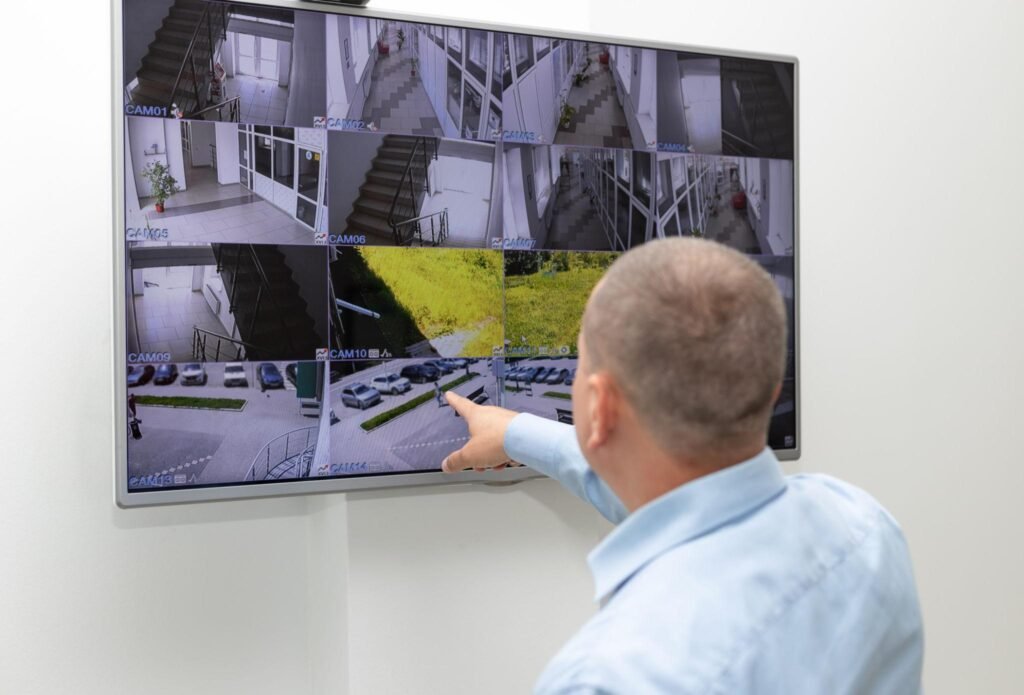
Hospitals store expensive equipment and controlled substances. Without proper security, theft and misuse can occur.
The Drug Enforcement Administration reports increasing concerns about drug diversion in healthcare facilities.
Healthcare Security Guards reduce these risks through monitoring and patrols.
5. Emergency and Crisis Management
Healthcare Security Guards act quickly during emergencies such as:
- Fire outbreaks
- Natural disasters
- Security threats
They guide evacuations, manage crowds, and support emergency teams.
6. Enhancing Patient Trust and Experience
Security presence creates a sense of safety. Patients and families feel more comfortable in a secure environment.
A calm and controlled hospital atmosphere improves overall patient experience.
7. Ensuring Legal and Regulatory Compliance
Hospitals must follow strict safety and privacy regulations. Healthcare Security Guards help enforce these rules and maintain compliance.
This reduces legal risks and strengthens institutional credibility.
Key Skills Every Healthcare Security Guard Must Have
Healthcare Security Guards require more than physical strength. They need a balanced skill set.
Communication Skills
They handle sensitive situations with clarity and calmness.
De-escalation Techniques
They reduce tension before conflicts escalate.
Situational Awareness
They stay alert to identify risks early.
Knowledge of Healthcare Protocols
They understand hospital procedures and emergency plans.
Role of Technology in Healthcare Security
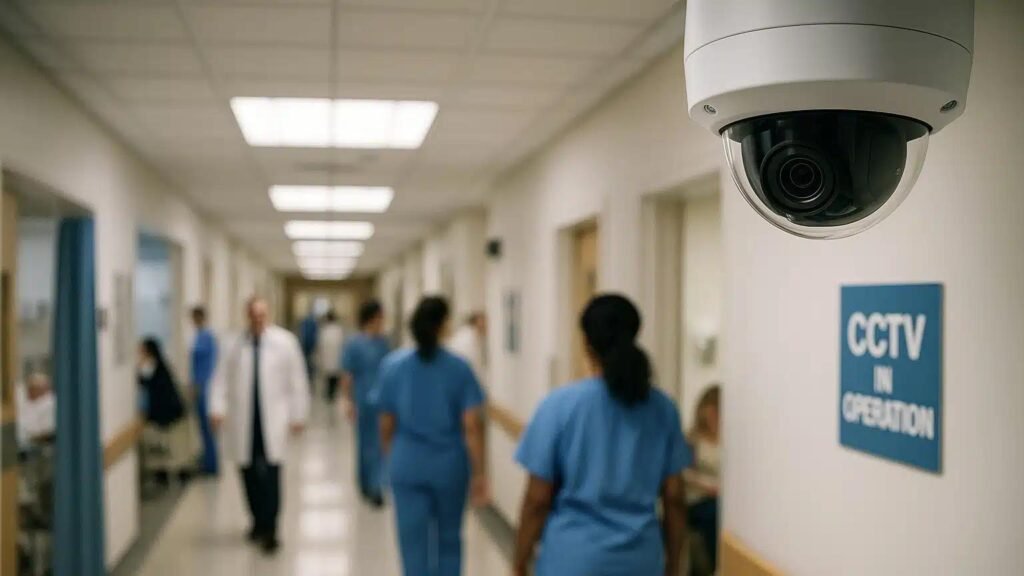
Healthcare Security Guards work alongside modern technology to improve safety.
Common tools include:
- CCTV surveillance
- Access control systems
- Alarm systems
- Visitor management software
Technology supports security, but human judgment remains irreplaceable.
Common Challenges in Hospital Security
Healthcare Security Guards face unique challenges daily.
High Emotional Stress
Hospitals involve fear, anxiety, and urgency.
Unpredictable Situations
Incidents can occur without warning.
Balancing Security and Compassion
Guards must enforce rules while showing empathy.
How to Choose the Right Healthcare Security Guards
When hiring Healthcare Security Guards, focus on quality over cost.
Check for:
- Healthcare-specific training
- Experience in hospitals
- Crisis management capability
- Background verification
- Technology integration
A professional security team strengthens overall hospital operations.
Conclusion
Healthcare Security Guards play a vital role in modern hospitals. They protect patients, staff, and critical resources while maintaining order in high-pressure environments.
Hospitals cannot rely on generic security solutions. They need trained professionals who understand the complexity of healthcare settings.
Investing in Healthcare Security Guards is not just about safety it’s about trust, efficiency, and better patient care.